What Is Lay Up Cover
Lay up cover is a reduced policy for a vehicle that isn't being driven, cutting the cost of coverage you don't need right now.
Why insurers price parked cars differently
Car insurance is priced around risk, and most of that risk comes from driving. A car moving through traffic can cause a crash, get hit, or get a ticket. A car sitting in a driveway can still be stolen, vandalized, or damaged by weather or fire, but it can't cause a collision. Lay up cover strips out the driving-related protection, like liability and collision, and keeps the parts that still make sense, like comprehensive coverage against theft or damage while parked.
This matters for someone whose driving has dropped off sharply. If the car mostly sits and only moves occasionally, you're paying full price for protection against risks you're rarely creating. Lay up cover, sometimes called storage coverage or parked-car coverage depending on the insurer, lets you scale the policy down to match that reality instead of carrying the same limits built for a daily commute.
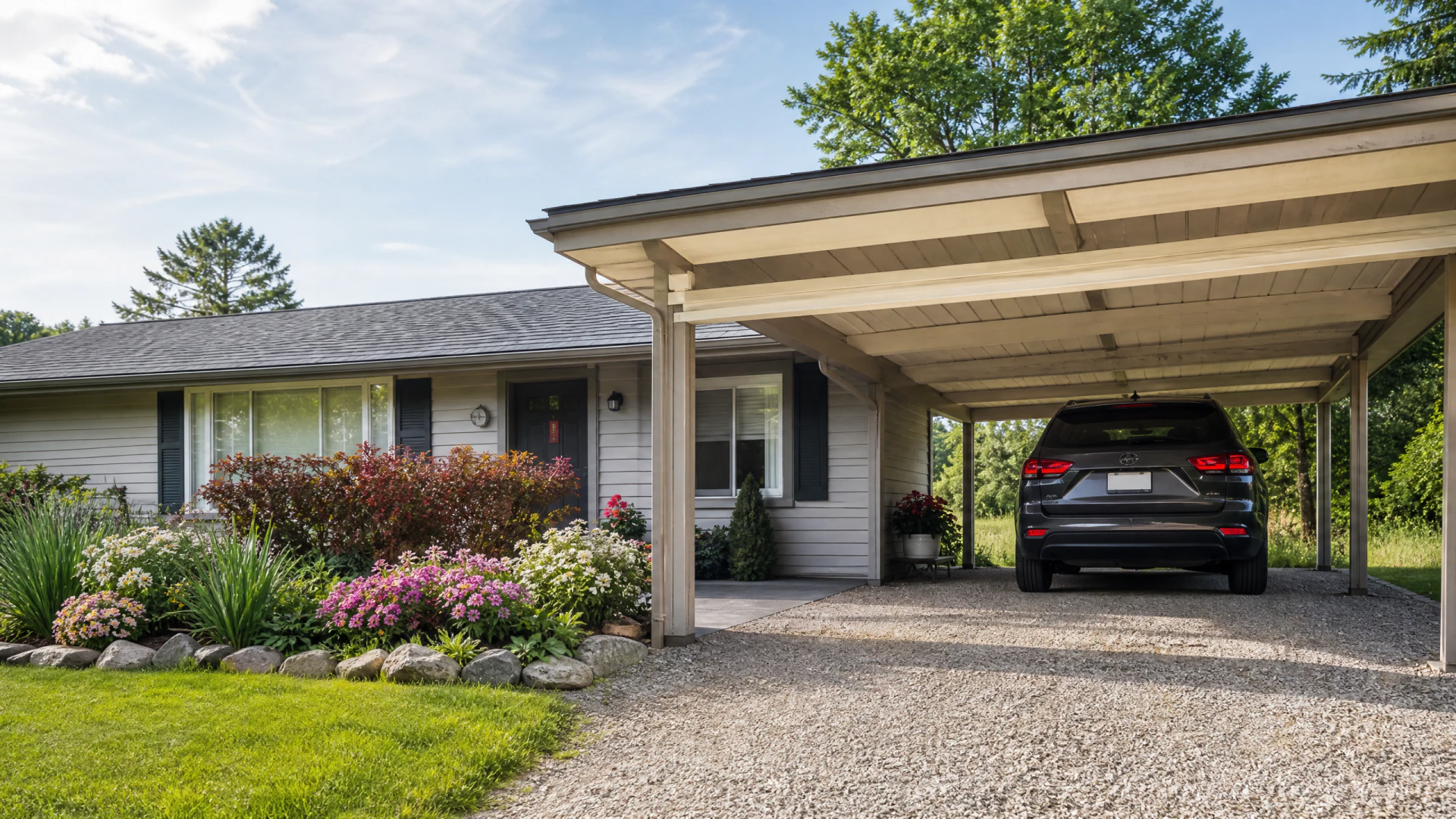
The catch is that lay up cover usually requires the car to actually stay parked, not just driven less. Insurers often set rules about how the vehicle must be stored, whether it needs to be in a garage or off the street, and how often it can be driven before the policy needs to switch back. If you still drive occasionally, even once a week, you may not qualify, because the coverage assumes the car isn't on the road at all during that period.
This is also one of the areas that varies most by insurer and by state. Some states regulate what counts as acceptable storage, what minimum coverage must stay in place even while a car is parked, and how long a lay up period can last before the policy has to change status entirely. Your insurer can tell you what applies where you live, so ask directly rather than assuming your situation matches what worked for someone else.
What to check before you ask for lay up cover
- How little you drive Lay up cover usually requires the car to be fully parked, not just driven occasionally. If you still drive sometimes, ask about low-mileage discounts instead.
- Storage requirements Many insurers require the car be garaged or off the street to qualify. Check what counts as acceptable storage before you apply.
- What stays covered Liability and collision usually drop, but theft and weather damage often stay covered. Confirm exactly what protection remains so you're not caught unaware.
- How to switch back You'll need a clear process to restore full coverage once you start driving again. Ask how much notice your insurer needs so you're never driving uninsured.
- Compare other options If you still drive a little, pay-per-mile or usage tracking might save more than lay up cover. Compare both before committing to one path.

Now that you know whether lay up cover fits how little you drive, compare quotes to see what it would actually save you.

Should you ask your insurer about lay up cover
If you do
You tell your insurer the car is parked and ask about lay up cover. They review how it's stored and how often it moves, then adjust your policy to drop driving-related coverage while keeping protection against theft and damage. Your bill drops, but you're now restricted from driving until you switch back.
If you don't
You keep paying for a full policy priced around regular driving, even though the car barely leaves the driveway. Nothing changes about your coverage or your risk of being underinsured, but you keep covering cost for protection you're not using much of right now.
Can I still drive the car at all with lay up cover?
Usually only in very limited ways, if at all. Most lay up policies assume the car isn't being driven on public roads during that period, and driving it can void the reduced coverage. Some insurers allow occasional short trips, like to a mechanic, but you have to ask specifically what's allowed. If you need to drive even occasionally, a low-mileage or usage-based policy usually fits better than full lay up cover.
Does lay up cover affect my no-claims history?
This depends on the insurer, so you need to ask directly. Some treat lay up periods as neutral, meaning your claims history doesn't grow but also doesn't shrink. Others may require a minimum length of active coverage per year to keep full no-claims standing. If protecting that history matters to you, confirm this before switching, since the answer changes depending on how your specific insurer structures it.
How quickly can I switch back to full coverage?
It depends on the insurer, but many can reinstate full coverage quickly once you ask, sometimes the same day. The important part is timing it before you drive again, not after. Driving before coverage is restored can leave you uninsured for that trip. Ask your insurer exactly what notice they need and whether it can be done instantly online or requires a call, so you're never caught without coverage.

The real shift is realizing your policy should match how the car is actually used, not how it used to be used.