Does a Black Box Policy Have a Curfew
Most black box policies don't ban you from driving at night, but they often price those hours higher if you drive a lot during them.
Curfews are rare; pricing by the hour is the real mechanism
A true curfew, where the car is locked out or penalized just for starting after a certain hour, exists on some policies but it's not the standard setup. What's standard is that the box records when you drive and feeds that into how your risk is scored. Late night hours get weighted more heavily because the data across all drivers shows more serious crashes happen then, not because your insurer assumes you specifically are reckless.
That distinction matters for what you actually do about it. If your policy has a hard curfew, it will say so in the terms, usually naming a window and what happens if you're caught driving in it. If it doesn't, the night hours just sit inside the normal scoring alongside things like harsh braking, speed, and total mileage. Driving home from a late shift once in a while barely moves the needle. Driving home late at night on a regular basis will.
The variation here is real and it's by insurer, sometimes even by the specific program within one insurer. Some score night driving as one factor among many with no outright penalty structure. Others do build in a window, often late evening through early morning, where driving is flagged more severely or scored as its own category. You have to check your specific policy documents or ask directly, because 'black box insurance' isn't one product with one rulebook.
The case where this works out differently is occasional necessary night driving, like an irregular work schedule or a one-off trip. Scoring systems are generally built to react to patterns, not single events. If your night driving is rare and your daytime driving is clean, it typically won't define your score or your renewal price.

A driver with one late shift a week checks what it's actually costing
Someone on a black box policy worked one closing shift a week, driving home late at night. They assumed this was quietly wrecking their score and worried every week about it. Instead of guessing, they logged into the app the insurer provided and looked at the breakdown by time of day, which showed night driving as a small slice of their overall mileage and a minor factor next to their braking and speed scores, both of which were good.
They called the insurer anyway to ask directly whether there was a hard curfew window in their contract, since the app didn't make that clear. The answer was no, there was no lockout, just graduated scoring that weighted late hours more heavily if they became frequent. Knowing that, they stopped worrying about the one shift and focused instead on smoothing out their braking, which was the bigger lever. Their score held steady and their renewal came in with a normal adjustment instead of the penalty they'd feared.
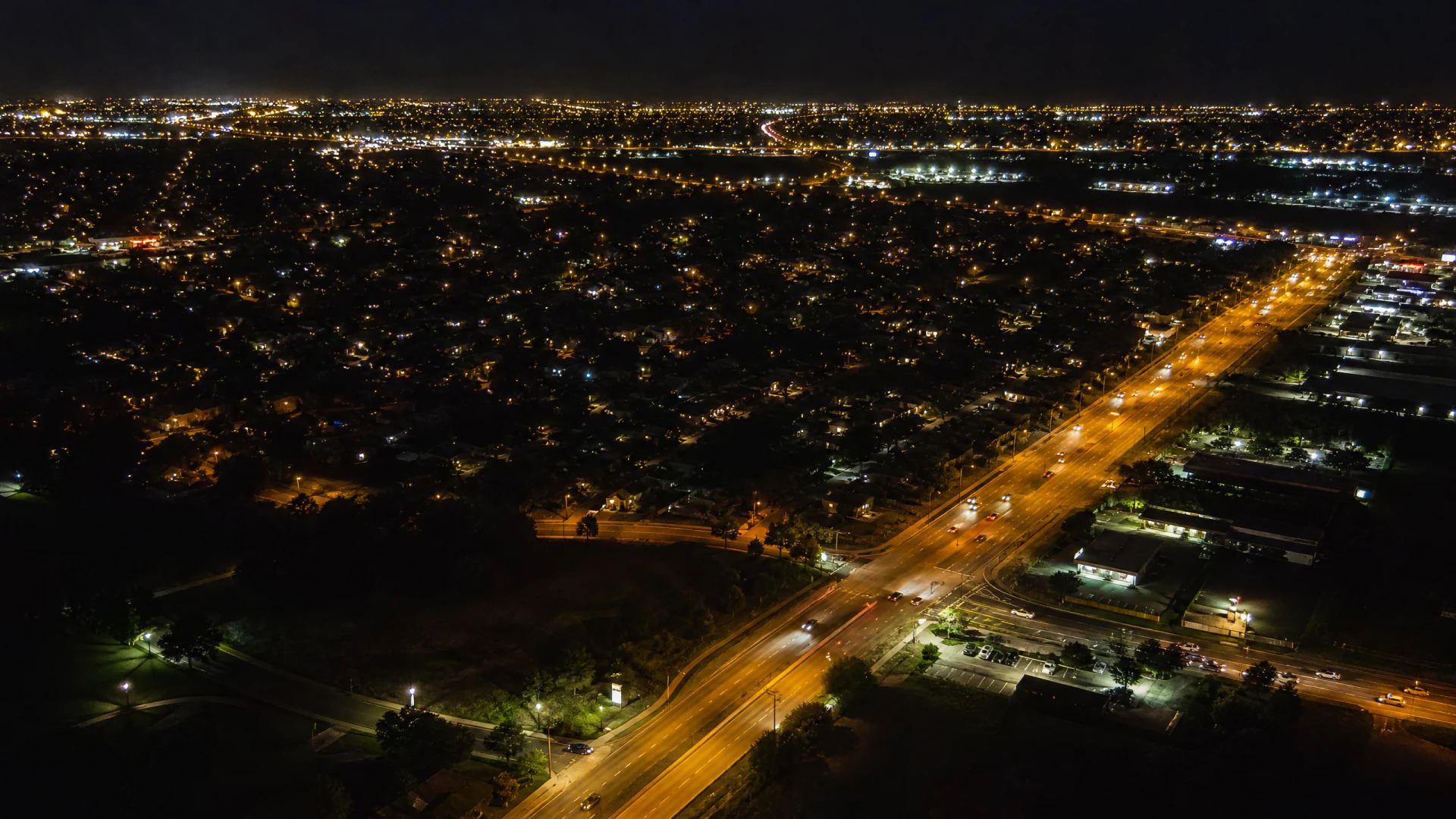
Once you understand how night driving is actually scored, compare quotes with that question settled.

Checking your policy's night driving rules now versus assuming
If you do
You open your policy terms or call your insurer and ask directly whether there's a curfew window and how night hours are scored. You get a clear answer, know whether occasional late drives matter, and can plan around real rules instead of guesses. If a true curfew exists, you know exactly what to avoid.
If you don't
You keep driving on assumptions, maybe avoiding necessary night trips for no reason, or not realizing frequent late driving is quietly lowering your score. You find out what the rules actually were only at renewal, when the price changes and you're left reconstructing why after the fact.
Can a black box insurer cancel my policy for driving at night?
Only if your contract specifically allows cancellation for violating a stated curfew, and most programs don't work that way. What usually happens instead is your risk score drops and your renewal price rises. Check your policy's cancellation clauses specifically, since they're usually tied to serious or repeated violations, not a single late drive. If your documents mention a strict no-driving window tied to cancellation, that's the exception to confirm directly with your insurer.
Does night driving affect a black box score more than speeding does?
Generally speeding and harsh braking carry more weight than time of day alone, but this varies by program. Night driving tends to be a modifier that makes other risky behavior count for more, rather than a standalone penalty. Ask your insurer for the specific weighting of factors in your score, since some publish this and some don't. If night driving is listed as a top factor in your own breakdown, treat it as unusual and worth a direct conversation.
Will a black box policy get cheaper if I stop driving at night?
It can, but only if night driving was actually a meaningful part of your scoring to begin with. For a driver who rarely drove at night anyway, cutting it out won't move the price much. Check your own driving breakdown in the app or portal to see what share of your mileage and risk score came from those hours before assuming a change in habits will lower your premium.
The real rules live in your policy and score breakdown, not in general assumptions about black boxes.