Storing a Car You Barely Drive
A car that barely moves can usually carry less coverage and cost less, once you tell your insurer it's parked instead of commuting.
Your rate is a guess about your driving, and you can correct it
Insurers price your policy on an estimate of annual mileage, made when you signed up or last renewed. That estimate usually assumes something like a regular commute. If your actual driving dropped well below that estimate, you're paying for miles you no longer put on the car, because nothing automatically updates the number on file.
This is why reporting matters more than people expect. Most insurers will let you update your estimated annual mileage at any point, not just at renewal, and some will reclassify your coverage entirely if the car is now parked most of the time. The catch is that nobody does this for you. The adjustment only happens if you ask.
How much this helps depends on your insurer and your state. Some insurers offer usage-based or pay-per-mile programs that track actual driving and charge accordingly, which can help a lot if your mileage is now low and irregular. Others simply have mileage bands that lower your premium once you report fewer miles, no tracking involved. Whether these programs exist, and how they're structured, varies, so check what your specific insurer offers before assuming either option applies to you.
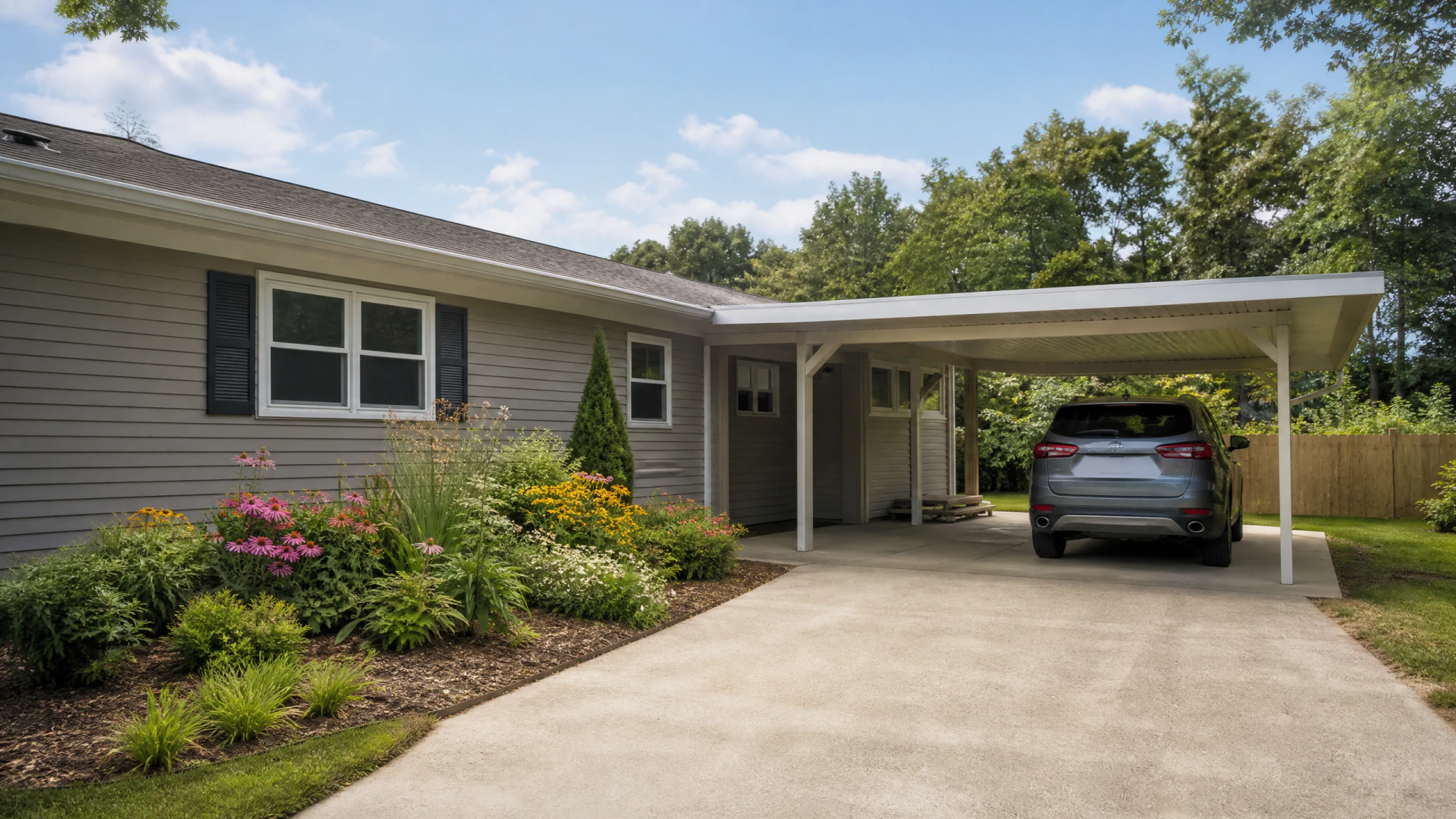
There are cases where storing the car changes the math differently. If you still drive it occasionally for errands or trips, you likely still need standard liability and collision coverage, just priced for lower mileage. If the car is truly not driven at all for an extended stretch, some insurers offer a reduced storage coverage that drops liability but keeps comprehensive, protecting against theft or weather damage while it sits. That's a different conversation with your insurer than simply lowering a mileage estimate, so ask specifically about it if the car isn't moving at all.
The short version
If you're driving a lot less than before, say so. Insurers price policies on estimated mileage, and that number only changes when you report it, so update it or ask about low-mileage and pay-per-mile options. If the car barely moves at all, ask about reduced coverage for stored vehicles too.
Will my coverage still protect the car if it just sits there?
Standard comprehensive coverage, the part that protects against theft, fire, vandalism, and weather damage, still applies whether the car is driven or parked. That part of your policy isn't tied to mileage, so a car sitting in the driveway is still covered against those risks as long as you keep that coverage active.
What changes is liability and collision, the parts tied to actually driving. If you're not driving at all, some insurers let you drop or reduce those temporarily while keeping comprehensive in place, which lowers your bill while still protecting the car itself. Whether this option exists, and what it's called, depends on your insurer, so ask directly rather than assuming your policy already reflects a parked car.
Compare quotes now that you know what to ask for, lower mileage pricing or reduced coverage for a mostly parked car.

What to actually do about a car that barely moves
- Update your mileage estimate Call or log in and correct the annual mileage on file. This alone can lower your premium even without switching programs.
- Ask about pay-per-mile options Some insurers charge based on tracked or reported mileage instead of a flat estimate. Ask if your insurer offers this and how it compares to your current rate.
- Ask about storage coverage If the car isn't driven at all for a stretch, ask about dropping liability while keeping comprehensive. This protects against theft and damage while cutting cost.
- Recheck after any change If your driving picks back up, even partly, update your mileage again. Policies don't adjust themselves in either direction.
- Confirm what your state allows Mileage-based pricing and storage coverage rules vary by state and insurer. Ask your insurer directly what's available where you live.
Your policy won't adjust itself. The discount exists only once you report that you're driving less.