Second Cars That Rarely Leave the Driveway
A second car that rarely moves almost always costs less to insure than one driven daily, if you tell your insurer it's parked.
Insurers price risk per mile, not per car
Insurance is a bet on how often a car is exposed to the road. Every mile driven is a chance for something to go wrong, so a car that sits in the driveway most days is simply a smaller bet than one driven to work and back on a regular commute. Insurers know this, and most build mileage into their pricing somewhere, even if it isn't always the first question they ask.
The catch is that insurers don't automatically know your second car barely moves. Policies are often priced on assumptions made when you first signed up, like a daily commute that may not exist anymore or may have never applied to that particular car. If nobody updates that assumption, you keep paying for driving that isn't happening.
This is where usage-based or pay-per-mile programs come in. Instead of guessing your annual mileage, some insurers will track actual miles, either through a plug-in device, an app, or periodic odometer checks, and price the policy closer to real use. For a car that mostly stays parked, this can mean a meaningfully smaller bill, because you're being charged for the handful of trips you actually take.
Where this plays out differently is by state and by insurer. Some states limit how usage-based pricing can work or require certain protections regardless of mileage. Some insurers only offer low-mileage discounts above a certain household size or a minimum number of vehicles. Check with your insurer directly about what low-mileage options exist in your state before assuming a program you've heard of applies to you.
A second car used only for errands
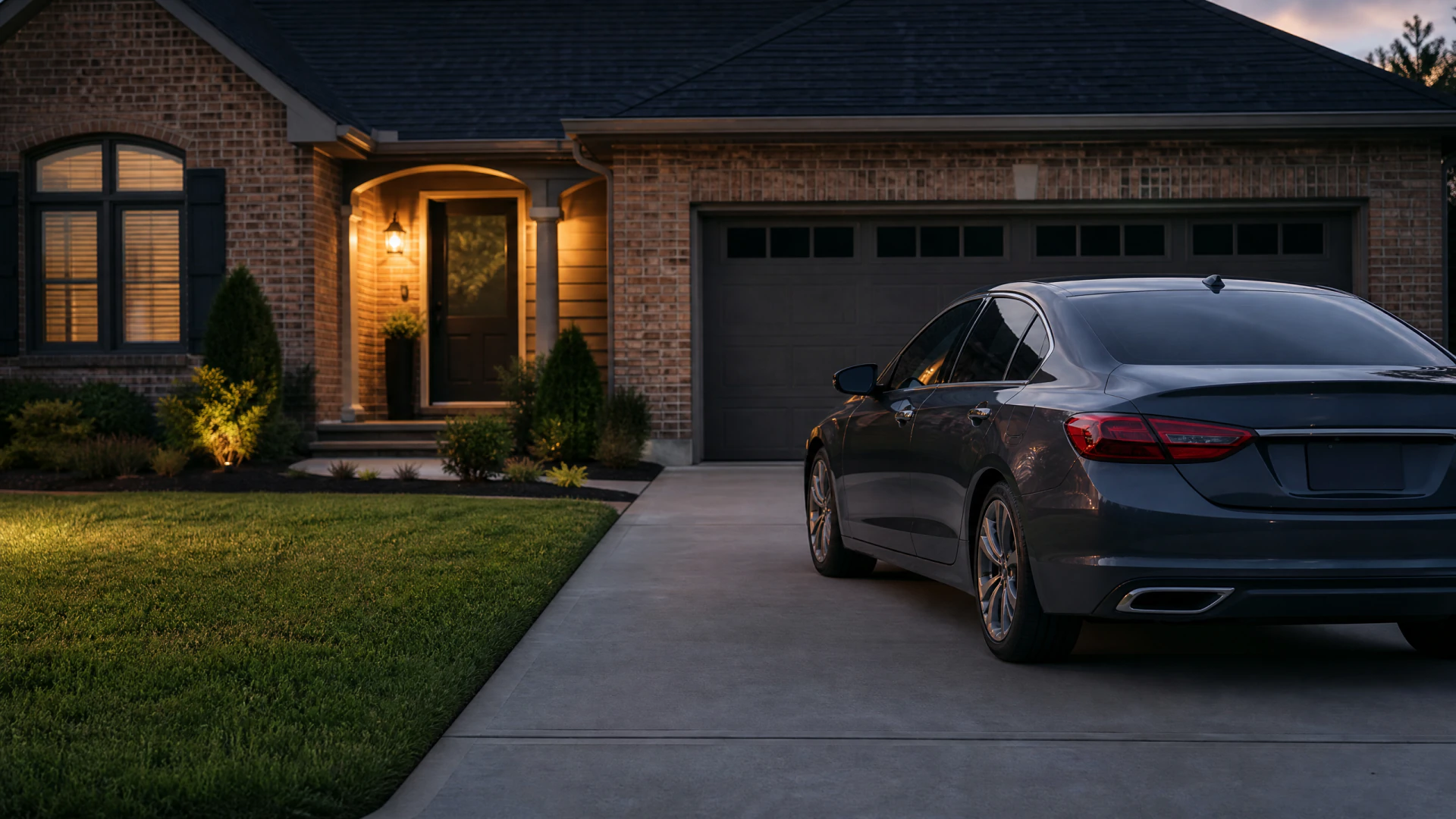
Picture a household with two cars. One is driven daily to work. The second car sits in the driveway most of the week and only comes out for grocery runs, the occasional appointment, or a weekend trip. Both cars have been insured the same way since they were bought, with mileage estimates that assumed regular commuting for both.
The owner calls their insurer to update the second car's expected annual mileage, explaining it's mostly parked. The insurer asks a few questions about typical use and offers either a lower mileage tier or a usage-based option that tracks actual driving. The owner picks the tracking option since the car genuinely isn't driven much. A few months later, the bill for that car reflects the lower use, and the owner keeps the standard policy on the car they still drive daily.
The bill only changes once you tell your insurer the car stopped being driven like it used to be.
Compare quotes now that you know which mileage option fits your parked second car.

Telling your insurer the car barely moves
If you do
You report accurate low mileage or join a tracking program. Your insurer reprices the policy to match actual use, which usually lowers the premium on a car that mostly sits still. You may need to confirm mileage periodically, but the savings continue as long as the car stays lightly used.
If you don't
You keep paying a premium built around assumptions that no longer match how the car is actually driven. Nothing changes until you update it yourself, since insurers don't lower rates automatically. The car keeps costing what a regularly driven vehicle costs, even while it sits parked most days.

What actually lowers the cost of a parked second car
- Update your mileage estimate Insurers often price policies on old assumptions. Call and give a realistic annual mileage for this specific car so the quote reflects how little it's actually driven.
- Ask about low-mileage discounts Many insurers offer a discount once mileage falls below a certain level. Ask specifically, since it isn't always advertised or applied by default.
- Consider pay-per-mile coverage Some insurers price based on tracked miles instead of estimates. This can suit a car that's driven only occasionally, but check availability in your state first.
- Check business-use rules Working from home doesn't automatically make driving personal if you still run errands for work. Confirm how your insurer classifies any work-related trips.
- Review coverage levels too A car driven rarely may still need meaningful coverage, especially if it's older or stored outside. Review coverage alongside mileage rather than cutting corners on both.
Can I insure a second car for less if nobody drives it regularly?
Yes, as long as you tell your insurer. Policies are priced on assumed use, and if nobody updates that assumption after driving habits change, the price stays the same. Call your insurer, explain the car's actual use, and ask what low-mileage or usage-based options exist. Check whether your state allows mileage-based tiers and whether your insurer requires a device or app for tracking. What changes the answer is how consistently the car is driven, since occasional longer trips can shift which option makes sense.
Does a car need its own policy if it's barely driven?
Usually yes, though it can often be added to the same policy as your other car for simplicity. Insurers still require every registered vehicle to carry its own coverage, even if usage is light. Ask whether bundling the two cars on one policy affects pricing, since some insurers offer multi-car discounts that offset the cost of insuring a rarely driven second vehicle. Check how your state handles registration and insurance requirements for vehicles that are driven occasionally but not stored long-term.
Should I drop coverage on a car I barely drive?
Not usually, unless the car is stored somewhere it truly cannot be driven or damaged. Even a parked car faces risks like theft, weather, or being hit while stationary, so liability and often comprehensive coverage still matter. Check your state's minimum requirements and your lender's requirements if the car is financed. What would change the answer is whether the car is truly off the road, such as being in long-term storage with a non-operation filing, which some states allow instead of full coverage.