Is Storage Coverage Worth It
Storage coverage pays off only when a car truly sits unused, not just driven less, and that's rarely the case for a work-from-home driver.
It depends on whether the car is parked or just driven less
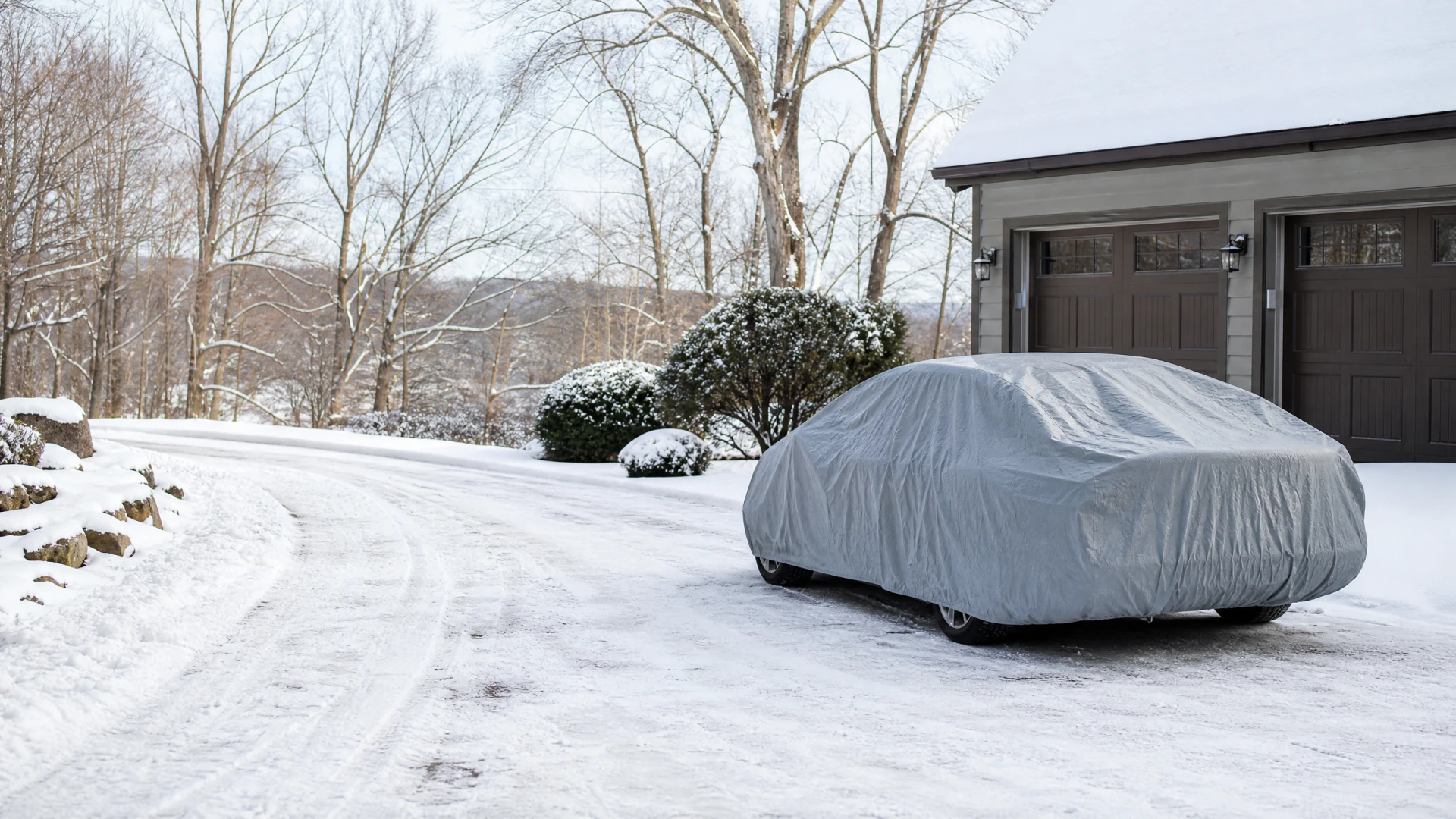
Storage coverage exists for a specific situation, a vehicle that isn't being driven at all for a defined stretch of time. That's different from a car that still goes to the grocery store, the gym, or an occasional office day. If you're working from home but still using the car several times a week, you're not really storing it, you're just driving it less than you used to. That's an important distinction because insurers treat them differently.
When a car is truly parked, meaning it's not being driven, sometimes not even registered for the road, storage coverage lets you drop the parts of your policy tied to driving, like liability, while keeping protection against things that can happen to a stationary car. Fire, theft, falling objects, weather damage, vandalism. You keep the risk that still applies and remove the risk that doesn't.
For a car that's driven occasionally, this trade doesn't make sense. You still need liability coverage any time the car is on the road, even for a short trip. What actually fits your situation is telling your insurer about your new mileage. Most policies are priced partly on expected annual mileage, and a big drop from commuting every day to driving occasionally is exactly the kind of change insurers expect to hear about.
The cases where storage coverage genuinely applies are narrower than people expect, a second car kept for weekends that sits all winter, a vehicle left behind during a long deployment or relocation, a classic car driven only a few times a year. If that's not your situation, the better move isn't storage coverage at all, it's correcting your mileage estimate and asking about programs that price based on actual driving.

The short version
Storage coverage is worth it only when a car truly isn't being driven, not just driven less. If you're working from home but still using the car sometimes, update your mileage estimate with your insurer instead, since that reflects your real situation and can lower your cost without giving up coverage you still need.
A second car that only moves on weekends
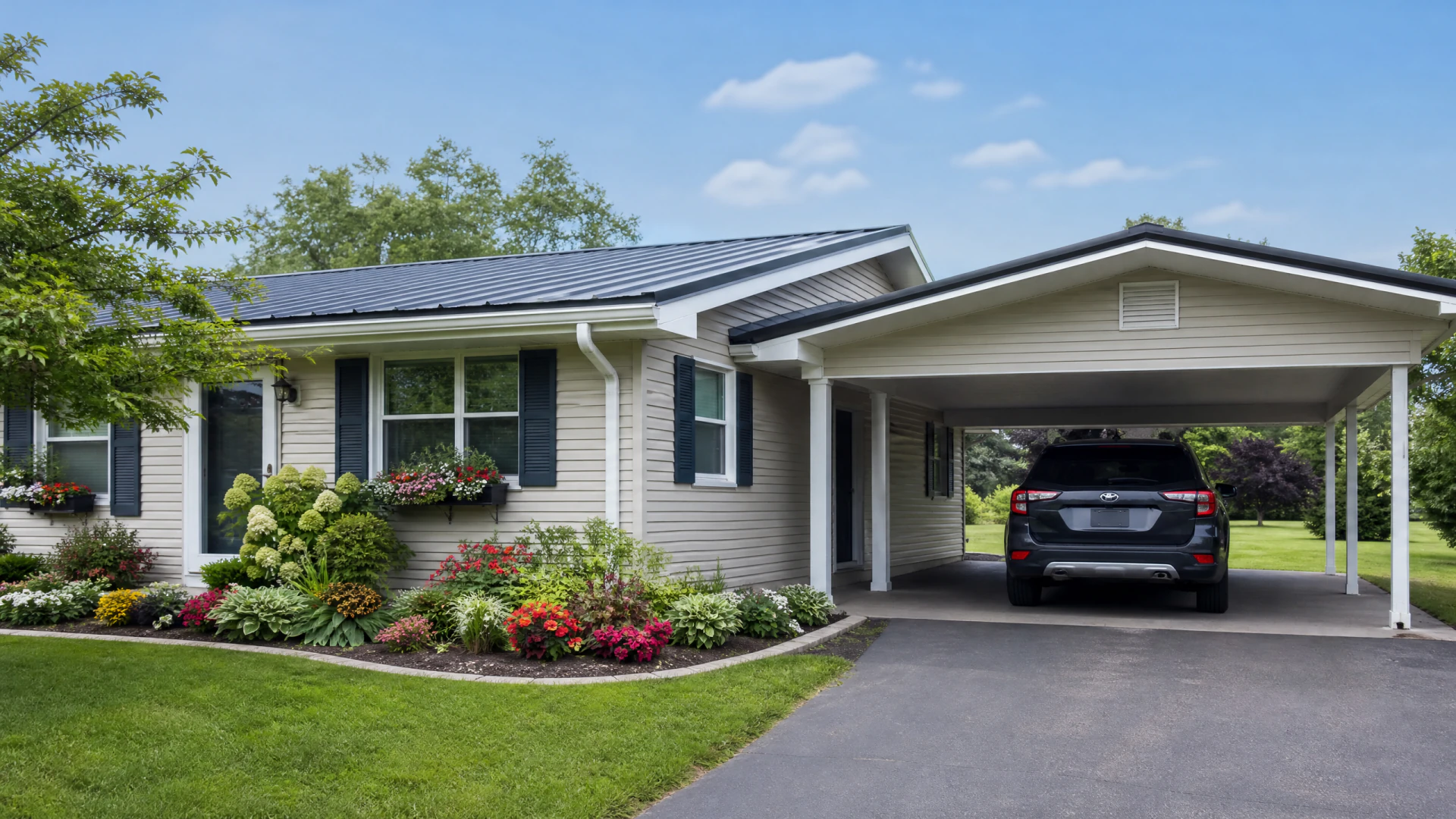
Say you have two cars. One you drive a few times a week for errands and occasional office days, the other sits in the driveway and only comes out on weekends, maybe less in winter. You've been paying full coverage on both since before you worked from home, and the bill hasn't reflected how different their use has become.
For the weekend car, you call your insurer and ask about storage coverage for the months it won't be driven at all, say during a long stretch when you know it's staying parked. You remove liability for that period since the car isn't on the road, and keep protection against theft and weather damage. For the car you still use regularly, you don't ask for storage, you update the mileage estimate to reflect your real driving now. The result is a policy that matches how each car is actually used instead of treating both like they're still commuting every day.
Compare quotes now that you know which coverage actually matches how your cars are used.

Reporting your real mileage versus leaving the old estimate in place
If you do
Your insurer reprices your policy around how much you actually drive now. If the drop is real and ongoing, this usually lowers your premium without removing coverage you still need. Some insurers may ask how you'll verify the new estimate, through odometer checks or a mileage tracking program, so be ready for that conversation.
If you don't
You keep paying a premium built around a commute that no longer happens. Nothing about your coverage changes, and nothing about your bill does either. If your insurer later finds your actual mileage was lower through a renewal check or claims investigation, you won't get a refund for the overpayment, you'll just adjust going forward.
What to weigh before choosing storage coverage
- Is the car truly undriven Storage coverage fits a parked car, not a less-used one. If you still drive it occasionally, this isn't the right fit, report lower mileage instead.
- Check your state's rules Some states limit how long a car can carry storage coverage while still being registered. Ask your insurer or DMV what applies where you live.
- Liability usually drops out Storage coverage typically removes liability since the car isn't on the road. Confirm what stays, like theft or weather protection, before agreeing to it.
- Mileage tiers may fit better If the car still moves sometimes, ask about lower mileage tiers or usage-based programs. These match reduced driving without removing road coverage.
- Re-report if use changes again If you start commuting again or the parked car goes back on the road, update your insurer right away. Driving without proper coverage risks a denied claim.