Does Insurance Cover Damage to a Parked Car
Yes, but only if you carry comprehensive or collision coverage, and the cause of the damage decides which one pays.
A shopping cart dent and a hit-and-run, side by side
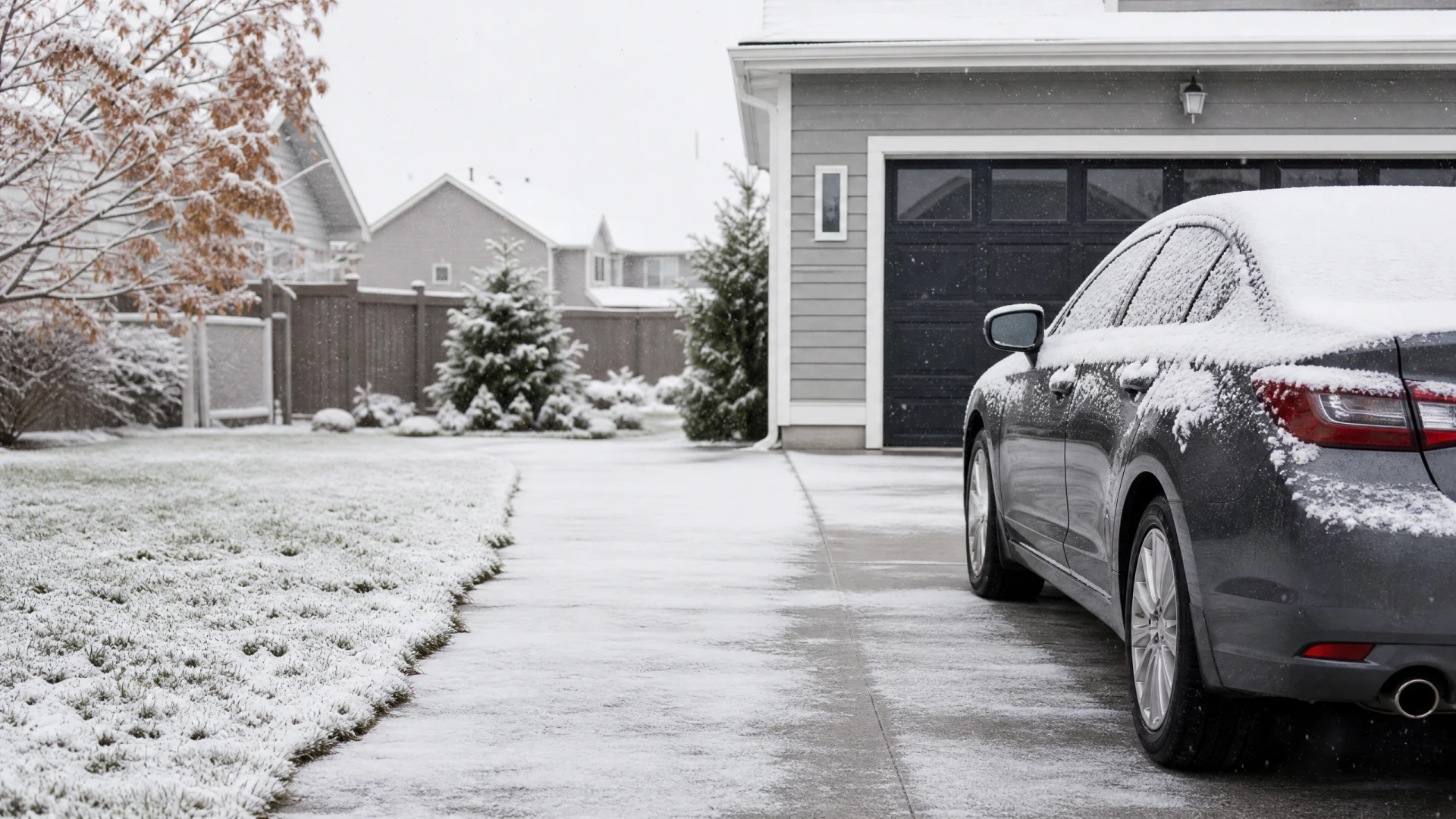
Say your car sits in the driveway for days since you stopped commuting, and one afternoon a neighbor's tree branch falls across the hood during a storm. You have comprehensive coverage on the policy, so you file a claim, pay your deductible, and the insurer covers the rest of the repair. The cause was outside anyone's control, which is exactly what comprehensive exists for.
Now picture a different version. You come out one morning and the rear bumper is crumpled, with no note and no witness. If you only carry liability coverage, which pays for damage you cause to other people, this one comes out of your own pocket. If you also carry collision coverage, it applies here too, since collision covers your car hitting or being hit by something, even an unknown driver while parked. You'd file it as a hit-and-run, pay the deductible, and get it fixed. The difference between the two scenarios isn't what happened to the car. It's which coverage was sitting on the policy before it did.
The short version
Parked car damage is covered if you carry comprehensive coverage for things like weather, fire, or animals, or collision coverage for being hit by an object or another vehicle. Liability alone won't pay for your own car. Check your policy's declarations page now to see which of these you actually have before anything happens.
Will filing a claim for parked car damage raise my rate?
It can, but not automatically. Comprehensive claims, like weather or vandalism, are treated as no-fault events in many states and insurers, so they tend to affect rates less than collision claims where fault can be assigned. A hit-and-run while parked sometimes falls into a gray area, since there's no other driver to blame, so how your insurer classifies it matters.
The bigger factor is usually your own claim history and how your specific insurer weighs a single claim against your overall record. Some insurers offer accident forgiveness or don't count your first claim against you, others do. Before filing, it's worth calling and asking how this particular claim would be classified and what it would likely do to your premium, especially if the repair cost is close to your deductible. Sometimes paying out of pocket costs less over time than the rate increase would.
Now that you know which coverage protects a parked car, compare quotes to see what that protection actually costs.
Coverage is matched to cause, not to where the car was sitting
Insurance policies split physical damage coverage into two categories because they're pricing two different kinds of risk. Collision coverage prices the risk of your car hitting something or getting hit, whether you're driving or parked. Comprehensive coverage prices everything else that can happen to a car sitting still or in motion, like weather, fire, falling objects, animals, theft, and vandalism. A parked car can be damaged by either kind of event, so the question was never really about parking. It's about what caused the damage.
This is why two people with identical dents can have completely different claims experiences. One person's dent came from hail, so it's comprehensive. Another's came from a delivery truck backing into their bumper in a parking lot, so it's collision, unless the truck driver is identified and their insurance pays instead. The parked car is just the setting. The cause is what the policy actually reads.
What varies by state and by insurer is how deductibles apply, how hit-and-run claims are classified, and whether there's any special handling for uninsured motorist property damage, which some states require and others don't. In some places, if an identified driver hits your parked car and it's their fault, their liability coverage pays for your damage and your own policy isn't even touched. Check your state's rules and your policy's specific definitions, since the word comprehensive or collision can mean slightly different things depending on the carrier.
If you're driving less now and considering dropping collision coverage to save money, remember that doing so removes protection for parking lot incidents and hit-and-runs too, not just crashes on the road. The tradeoff isn't just about miles driven. It's about what kind of damage you're willing to pay for yourself.
The coverage that protects your parked car was decided when you bought the policy, not by how often you drive.