Keeping Coverage on an Idle Car
You keep the coverage active but switch how it's rated, so a parked car costs what a parked car should cost.
How to right-size coverage on a car you rarely drive
- Report the lower mileage Your policy may still be priced around an old commute. Call your insurer and give them a real annual mileage estimate so the rating reflects how little you actually drive.
- Ask about usage-based programs Some insurers offer plans that charge by the mile or track actual driving through an app. If your mileage is genuinely low, this can cost less than a flat annual rate.
- Don't drop coverage too fast Cutting comprehensive or collision saves money now but leaves the car exposed to theft, weather, or damage while parked. Weigh the car's value against what you'd pay out of pocket.
- Keep it registered and insured Letting coverage lapse to save money can trigger a penalty when you restart it and may violate your state's requirement to insure any registered vehicle. Check your state's rule before canceling anything.
- Mention if it's work-related now Working from home doesn't automatically count as business use, but occasional errands for a side job might. Tell your insurer what the car is actually used for so there's no gap if you ever file a claim.
A commuter car that became a driveway car
Someone switched to full remote work and realized their car was only moving for groceries and the occasional weekend trip. Their policy still assumed five days a week of highway driving, priced accordingly. They called their insurer, explained the change, and asked what their options were.
The insurer re-rated the policy using a new annual mileage estimate, which lowered the premium right away. They also asked about a pay-per-mile option, since their driving had dropped enough that it might cost even less, and switched to it after confirming it tracked mileage in a way they were comfortable with. They kept full coverage rather than dropping to liability, since the car was still worth enough to protect. A few months in, the lower bill matched the lower use, and nothing about the coverage itself had gotten weaker.

Do you tell your insurer the car sits most of the time?
If you do
Your insurer re-rates the policy around your real mileage, often lowering the premium. You may qualify for a usage-based or pay-per-mile option. Coverage stays active and full, so theft, weather, or an unexpected trip are still protected.
If you don't
You keep paying a premium priced for a commute you no longer make. The coverage itself doesn't change, you're just overpaying for driving that isn't happening. Nothing is wrong with the policy, but nothing about it reflects your actual life.
Now that you know how to match coverage to your real mileage, compare quotes to see what a low-mileage rate costs.
Should you drop coverage entirely if the car barely moves?
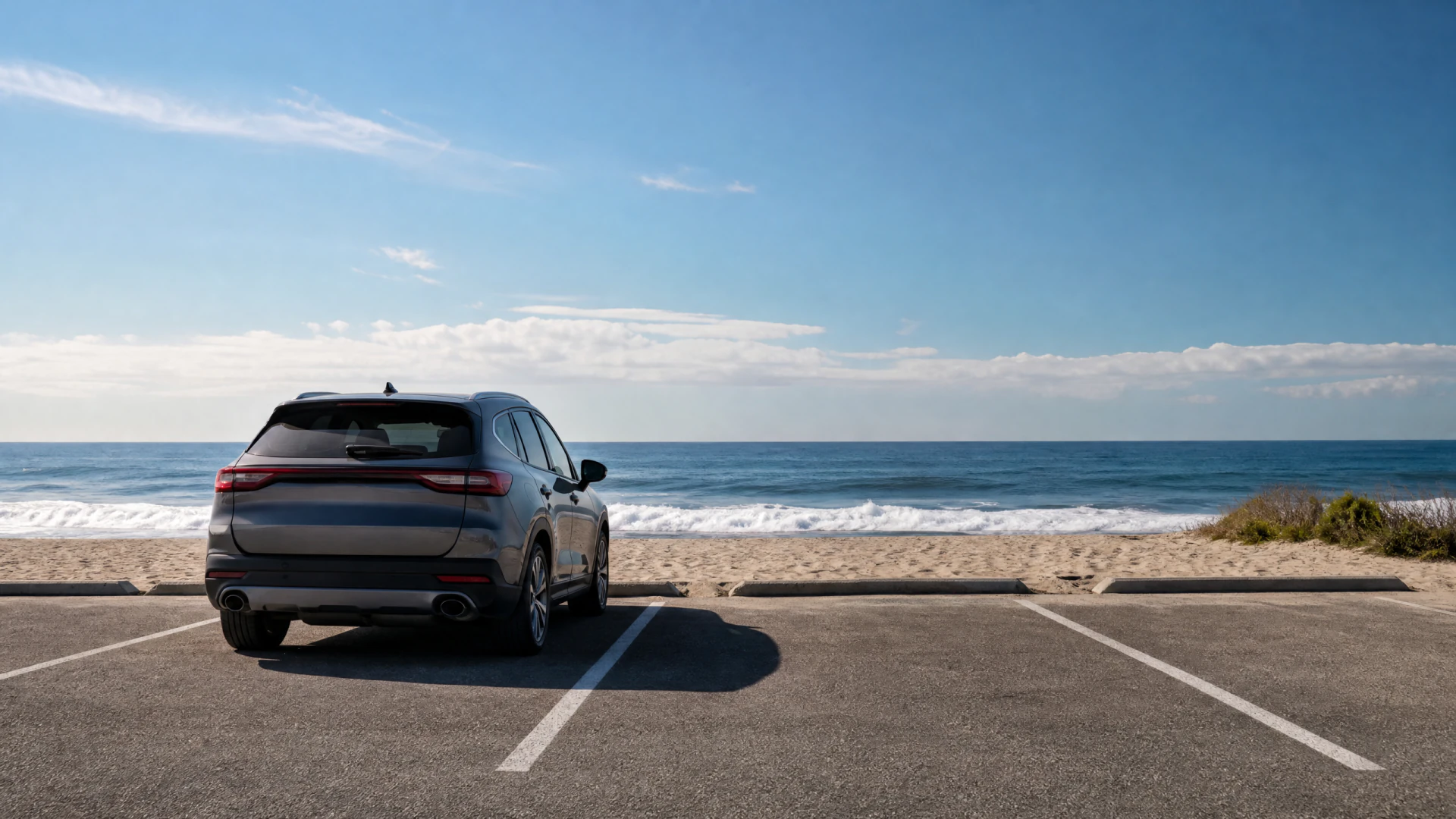
No. A parked car still faces risk from theft, weather, fire, or someone backing into it in a lot. Dropping comprehensive or collision only makes sense if you've decided you could replace the car out of pocket without much trouble.
There's also the registration question. Most states require any registered vehicle to carry at least liability coverage, whether it's driven or not. If you're not using the car at all, the alternative is formally taking it off the road, which means surrendering plates and registration, not just skipping insurance while keeping everything else active. That's a bigger step than most people in this situation actually want, since the car still gets used sometimes. Check your state's rule before assuming you can go without coverage while the car stays registered in your name.
The bill is built on an old routine, not your current one. Reporting your real mileage is what changes it.