Can Engine Oil Last 2 Years
Yes, but only under specific conditions, and most cars that sit unused for two years still need an oil change before that time is up.
Oil breaks down from time and from use, not just miles
Engine oil has two enemies, and mileage is only one of them. The other is time itself. Oil contains additives that fight oxidation, neutralize acids, and keep particles suspended instead of clumping together. Those additives deplete slowly even when the car never moves, because they react with moisture and air that get into the crankcase regardless of whether the engine runs.
This is why manufacturers set two limits, not one. You'll see something like a mileage figure paired with a time figure, and whichever comes first is the real limit. A car that drives very little might hit the time limit years before it hits the mileage limit, and that's exactly the situation a two year question usually describes.
Synthetic oil changes this math somewhat. Full synthetic resists oxidation better than conventional oil, and some manufacturers do stretch intervals further for synthetic. But stretching further is not the same as removing the limit. Moisture still accumulates, especially in engines that only run short trips and never get hot enough to boil condensation out of the oil completely.
Short trips are the exception that matters most here. An engine that never reaches full operating temperature for long stretches builds up condensation and fuel dilution in the oil faster than one that runs on the highway regularly. So a car driven rarely, in short bursts, can need oil changed sooner than the time based interval suggests, not later.

The short version
Two years is too long for most oil in most cars, even if mileage is low, because time alone degrades the additives that protect your engine. Check your manual for the time based interval, not just the mileage one. If you're unsure, change the oil now and set a reminder based on date, not just distance.
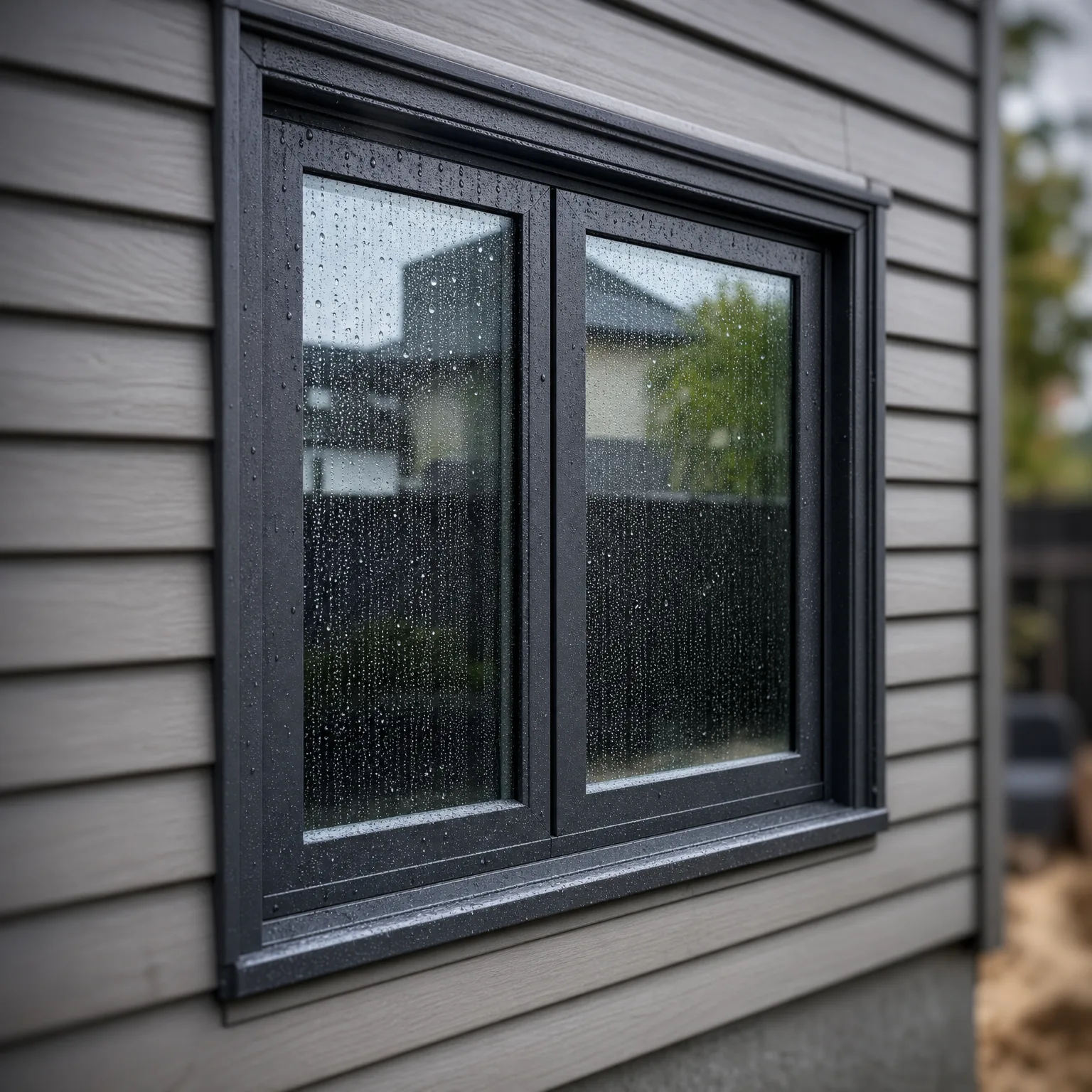
A car that sat through a long work from home stretch
Someone stopped commuting and the car sat in the driveway most days, driven only for short errands a few times a week. Eighteen months passed and the dashboard still showed plenty of mileage left before the next service light came on, so they assumed the oil was fine. When they finally checked the manual, they found a separate time based interval that had already passed months earlier.
They changed the oil and had it inspected, and the oil that came out was darker and thinner than expected for the miles driven, with a faint fuel smell from short trips that never let the engine fully warm up. The mechanic noted light sludge starting to form, not severe, but enough to explain why waiting any longer would have been a mistake. After the change, they set a calendar reminder tied to date rather than mileage, since their driving pattern had clearly shifted.
Once you know how your oil timeline works, compare insurance quotes that match how little you're actually driving.

Changing oil on a time schedule instead of waiting for mileage
If you do
You catch degraded oil before it causes wear, even though your mileage is low. Your engine stays protected from the moisture and acid buildup that happens regardless of distance driven. You spend a bit more on maintenance than mileage alone would suggest, but you avoid sludge buildup and extend the life of internal components significantly.
If you don't
You risk running degraded oil that has lost its protective properties even though the mileage looks fine. Moisture and acids accumulate quietly, and sludge can form without any dashboard warning. By the time symptoms appear, like rough idling or ticking noises, some wear has likely already happened and cannot be undone.
What actually determines whether your oil is still good
- Check the manual's time limit Your manual lists both a mileage and a time limit for oil changes. Find the time figure specifically, since low mileage driving means that one applies to you.
- Short trips age oil faster Frequent short drives prevent the engine from reaching full temperature, which lets moisture and fuel build up in the oil. Factor this in if most of your driving is brief errands.
- Synthetic oil buys some room Full synthetic resists breakdown better than conventional oil and often allows a longer interval. Confirm your specific oil type against your manual rather than assuming the longest possible interval applies.
- Look at the oil itself Pull the dipstick and check color, thickness, and smell before assuming mileage alone tells the story. Dark, thin, or fuel smelling oil needs changing regardless of what the odometer says.
- Set a date based reminder If your driving dropped significantly, switch your reminder system from mileage tracking to calendar dates. This matches maintenance to how your car is actually being used now.