Should My Premium Drop if I Work Remotely
Yes, your premium should drop when you drive less, but your insurer won't lower it until you tell them.
Your rate was built around a commute that no longer happens
Insurers price a policy largely on how much you drive, because more miles on the road means more chances for something to go wrong. When you set up your policy, you likely gave an estimated annual mileage based on commuting to an office. That number became part of the math behind your premium, and it stays there until someone updates it.
The insurer has no way of knowing your routine changed unless you tell them. There's no sensor on your account that notices you stopped commuting. Your policy keeps renewing on autopilot, carrying the old assumption forward term after term, which is why the bill looks the same even though your life doesn't.
Once you report lower mileage, the insurer recalculates your risk using the new number. Lower estimated mileage generally means a lower premium, because you're seen as less likely to be in an accident simply by spending less time driving. How much it moves depends on the insurer's own pricing model, and some weigh mileage more heavily than others.
There are cases where it doesn't move much. If you still drive for errands, family, or occasional trips into an office, your mileage drop might be smaller than you'd expect. And if your insurer already had you listed with a low mileage estimate, there may not be much room left to adjust.

The short version
Your premium should drop once you report that you're driving less, but it won't happen automatically. Contact your insurer, give them an updated annual mileage estimate, and ask whether a mileage-based or low-mileage program applies to you. Do this now rather than waiting for renewal.
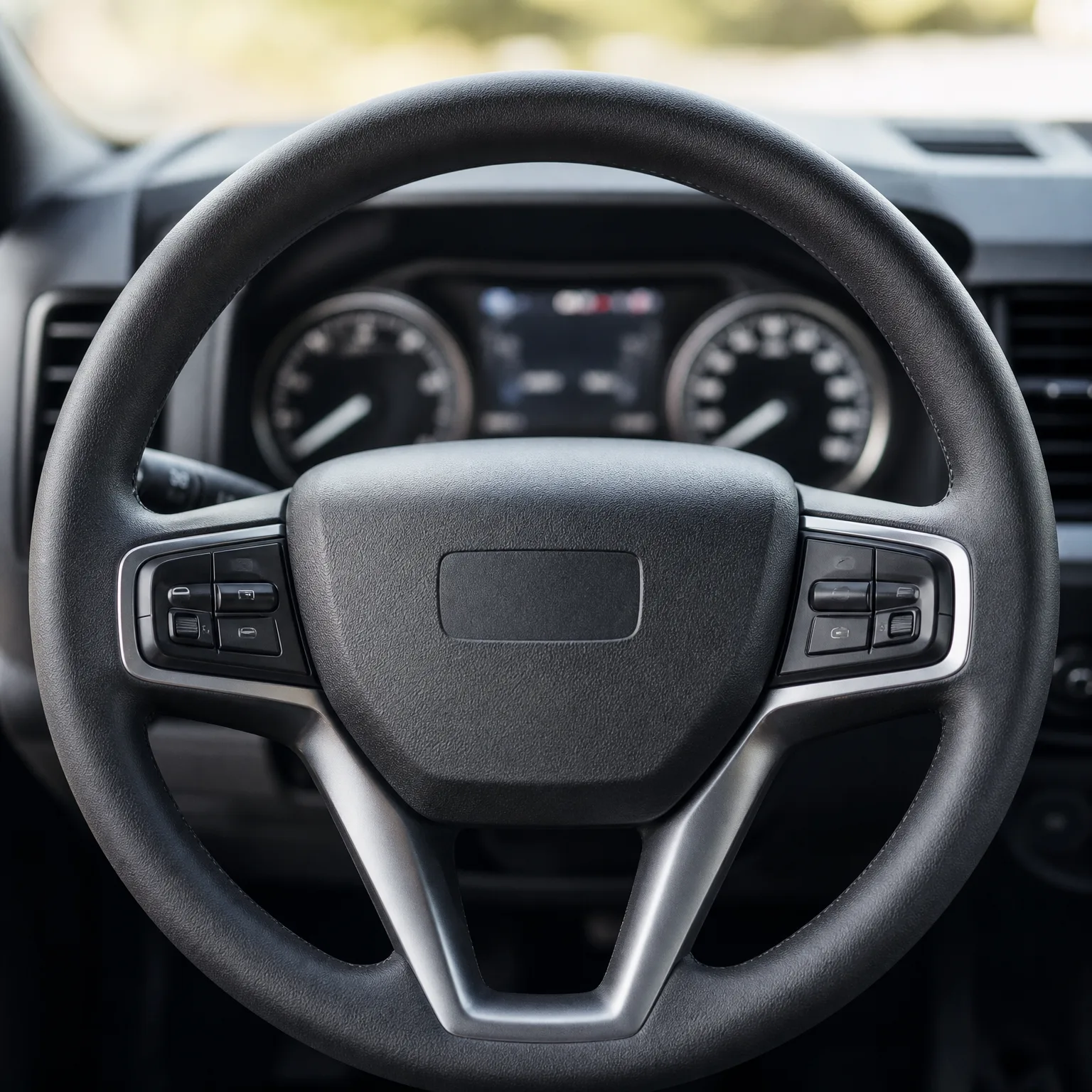
A remote worker who kept paying commuter rates for a year
Someone switched to full-time remote work and kept driving only for groceries and occasional visits to family. Their policy still listed the old commuting mileage from before the switch, because nobody had updated it. They assumed the insurer would notice the change somehow, so they didn't call.
A year later they finally called to ask about a different coverage question, and the agent asked about their daily driving habits. Once they explained they hadn't commuted in months, the agent recalculated their mileage estimate and adjusted the policy. The premium dropped at the next renewal, and the insurer also mentioned a program for drivers with low annual mileage, which hadn't been offered before because the old estimate didn't qualify. The lesson wasn't that insurers are slow. It was that the reporting has to start with the driver.
Compare quotes now that you know your lower mileage should mean a lower rate.
Will my insurer find out on their own that I drive less now?
No, not usually. Most insurers rely on the mileage estimate you gave them when you set up the policy, and they don't track your actual driving unless you're enrolled in a program that monitors mileage directly.
Some insurers do send periodic check-ins asking drivers to confirm or update their mileage, but this isn't universal and isn't something to count on. If you want your premium to reflect your new routine, you need to reach out and report the change yourself. Waiting for the insurer to notice means paying for a commute you no longer make, possibly for a long time.
What to do to get your premium matched to your new driving
- Update your mileage estimate Call or log into your account and give a realistic annual mileage based on your current routine. This is the single biggest lever for lowering your premium.
- Ask about low-mileage programs Some insurers offer specific discounts or programs for drivers under a certain mileage threshold. Ask directly, since it may not be offered unless you bring it up.
- Consider pay-per-mile coverage If your driving is now occasional, a pay-per-mile or usage-based policy might cost less than a standard one. Ask your insurer if they offer this or if you'd need to switch providers.
- Mention any car that sits unused If a second car is barely driven, ask about reduced usage classifications for it specifically. Some insurers price each vehicle on a policy differently based on its own usage.
- Recheck after any routine change If you start going into an office occasionally or your household driving shifts, update your mileage again. Rates should track your actual driving, not a one-time snapshot.
Does working from home count as business use of my car?
No, working from home by itself doesn't count as business use. Business use typically means driving for work purposes like deliveries, client visits, or using your car as part of your job. Simply working remotely and driving less doesn't change your use classification. Check with your insurer if you occasionally drive for job-related errands, since that could affect how your policy should be classified.
Will my rate go back up if I return to office part-time?
Yes, it can, since your premium is tied to how much you actually drive. If you start commuting again even a few days a week, your mileage estimate should be updated to reflect that. Report the change honestly, because underestimating mileage can cause problems later, especially if you file a claim and your actual driving doesn't match what's on file.
Do I need to tell my insurer if I barely drive the car at all?
Yes, you should report it, since an unused or rarely driven car may qualify for a lower rate or a different coverage type. Some insurers offer reduced rates for cars that are mostly parked. Check whether your insurer has a specific low-usage or storage classification, since leaving it unreported means you keep paying as if the car were driven normally.