Is It Okay to Use My Car Once a Week
Yes, using your car once a week is fine, and it likely means you're paying for more driving than you actually do.
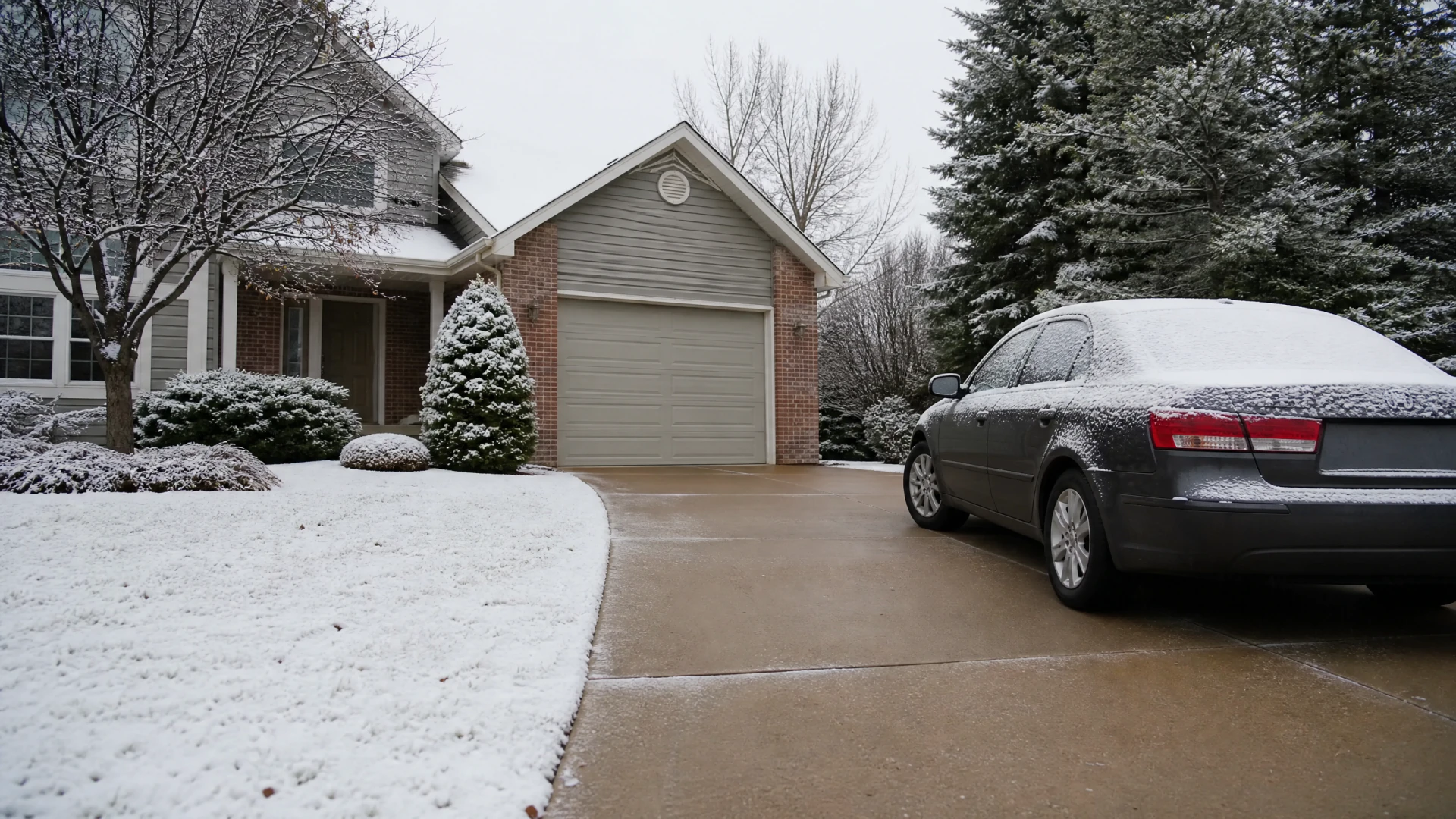
A driveway car that only moves on Saturdays
A reader started working from home full time and noticed their car only left the driveway for a weekly grocery run. The policy was still priced as if they drove to an office five days a week, with commute mileage listed from the last time they'd updated anything. They called their insurer, explained the new routine, and gave an honest low estimate of weekly miles instead of guessing high out of habit.
The insurer adjusted the mileage band on file and asked a few questions about where the car was parked overnight, since that hadn't changed. Nothing about the coverage itself changed, only the usage profile behind the price. The reader also asked about a mileage tracking option and decided against it, preferring the simpler annual estimate instead. The adjustment reflected a car that barely moves, which is exactly what their week looked like.
Will my insurer think I'm lying if I say I barely drive now?
No, insurers deal with this constantly, especially with remote work being so common now. They aren't looking for a reason to doubt you, they're looking for an honest estimate so they can price the policy correctly.
What matters is giving a realistic number, not a perfectly precise one. If you drive once a week for errands, estimate that pattern honestly rather than rounding down to make the number look better. Insurers can also compare your estimate against things like past claims mileage or odometer readings at renewal, so accuracy protects you more than it exposes you. If your driving changes again later, you can simply update it again.

Telling your insurer you now drive once a week
If you do
Your insurer reclassifies you into a lower mileage tier and reprices your policy to match. You may also get offered a pay-per-mile or usage-based option. The car's coverage stays the same, only the cost assumptions change. Some insurers may ask when the change started or confirm your parking location.
If you don't
You keep paying a rate built around regular commuting, even though you're barely driving. Your coverage won't lapse or cause problems, but you're likely overpaying every month for mileage you no longer put on the car. Nothing forces you to report it, so the saving sits unclaimed until you ask.
Compare quotes now that you know reporting your real mileage is the move that actually lowers your rate.
What matters when your car sits most of the week
- Update your mileage estimate Your rate was likely built around old driving habits, like a daily commute. Call or log in to update your annual mileage so pricing reflects what you actually do now.
- Ask about low-mileage discounts Many insurers offer a lower rate once your annual mileage drops below a certain point. Ask directly, since it isn't always advertised or applied automatically.
- Consider pay-per-mile coverage If your driving is this infrequent, a per-mile program might cost less than a standard policy. Ask your insurer or a few alternatives what the math looks like for your pattern.
- Keep coverage active, not paused A car driven once a week still needs full coverage, since accidents and weather don't care about frequency. Don't be tempted to drop liability limits just because the car is idle most days.
- Recheck after any other change If your household driving shifts again, like a new job or a second driver, your mileage estimate should shift with it. Treat this as something to revisit, not a one-time fix.

The issue isn't whether you can drive once a week, it's that your price hasn't caught up to it.
Does my insurance go up if I report low mileage and then drive more later?
It can, but only because your rate reflects actual use, not as a penalty. If your driving increases, your insurer may adjust your estimate at renewal to match, which could raise the premium slightly. This isn't a punishment, it's the same logic that lowered your rate in the first place. Most insurers simply ask you to update the estimate when your pattern changes, and small fluctuations rarely trigger anything. What matters is giving a reasonably accurate number each time, not predicting the future perfectly.
Is pay-per-mile insurance actually cheaper than standard coverage?
It depends on how little you drive and how your insurer prices the base rate. Pay-per-mile programs combine a lower base charge with a per-mile cost, so they tend to favor drivers with very light, consistent use. If your weekly drive is short and predictable, it's worth comparing, but if you occasionally take long trips, a standard low-mileage policy might end up cheaper. Check how each program defines a mile and whether there's a cap, since those details change the comparison more than the headline rate does.
Do I need to tell my insurer if my car sits in the garage most days?
Yes, because where and how often your car is driven affects how it's priced, not just whether it's driven. Insurers use mileage and usage patterns to estimate risk, and a car parked most of the week is a different risk than one commuting daily. Reporting this isn't optional paperwork, it's the information your price is supposed to be based on. If you're unsure how to phrase the change, just describe your week honestly and let the insurer translate it into their categories.