How Do I Know if I Need Commercial Auto Insurance
You need commercial auto insurance only if you use your car to make money, not just because you work from home now.
Check these before assuming either way
- What you actually haul Carrying tools, inventory, or equipment for a side job or business changes your risk profile. If your trunk has business stuff in it regularly, tell your insurer.
- Who else drives the car If employees, contractors, or clients ever drive your vehicle, personal policies usually won't cover that. This alone can push you toward a commercial policy.
- Deliveries or client visits Driving to meet clients occasionally is different from regularly delivering goods or providing services for pay. The second one usually needs commercial coverage.
- Your home office setup Working from home doesn't make your car commercial. It only becomes a factor if the car itself is now used to run the business, not just to sit in the driveway between errands.
- Vehicle ownership structure If the car is titled to a business or an LLC, most personal insurers won't cover it at all. Check your title and registration if you're unsure.
The short version
You need commercial auto insurance when your car is actually used to generate income, not just because you work remotely. Occasional errands or client meetings in a personal vehicle usually stay personal. If you deliver goods, carry equipment, or let others drive the car for work, call your insurer and describe exactly what you do.
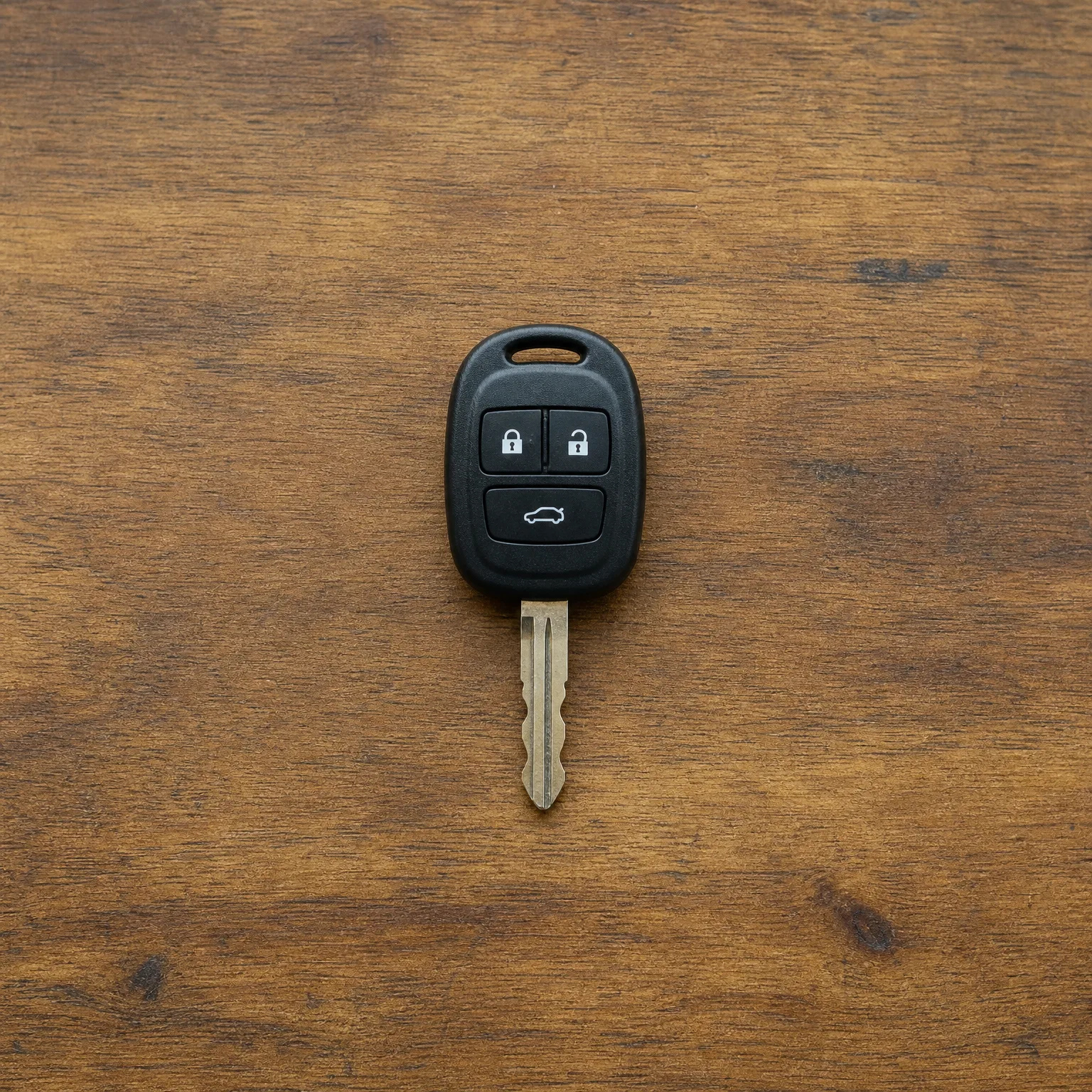
A consultant who started freelancing from home
Someone switched to working from home full time and picked up freelance consulting on the side. They drove to client offices maybe twice a month, nothing regular, just occasional meetings. They worried that any work-related driving meant they needed commercial coverage, so they called their insurer to ask directly.
Their agent asked a few questions, how often they drove for work, whether they carried equipment, whether anyone else used the car for business. Since it was just occasional client visits in their own car, the agent said a personal policy with a business-use endorsement was enough, no need for a full commercial policy. The endorsement cost was minor and gave them the coverage gap they needed without overpaying for commercial-grade protection they didn't use.
Once you know whether your driving counts as personal or business use, compare quotes that match it.
What happens if I guess wrong and my policy doesn't match my actual use?
If you're in an accident and your insurer determines the drive was for business use not covered by your policy, they can deny the claim entirely. This is the real risk of guessing instead of checking. You'd be left paying for damage, injuries, or liability out of pocket, which defeats the purpose of having insurance in the first place.
The fix isn't complicated. Tell your insurer exactly how you use your car, including any side work, deliveries, or client visits. They'll tell you if your current policy covers it or if you need an endorsement or a separate commercial policy. This conversation takes a few minutes and removes the guesswork completely.
Why business use changes the risk, not the address
Insurance companies price personal auto policies around personal risk, commuting, errands, driving the kids around. These are predictable patterns with well-understood accident rates. The moment a car is used to generate income, the risk profile changes because the car is on the road more, often carrying valuable cargo, and sometimes driven by other people.
Working from home by itself doesn't introduce any of that risk. You might drive less overall, which could even lower your premium. The confusion comes from conflating remote work with business use of a vehicle, but they're separate things. One is about where you work, the other is about what the car does.
The cases where it gets complicated are side businesses run from home, like a home bakery that does local deliveries or a handyman who stores tools in his truck. These straddle personal and commercial use, and insurers vary in how they classify them. Some offer endorsements that bridge the gap without requiring a full commercial policy, others don't.
What your insurer checks is the pattern and the purpose, not just the occasional exception. A once-a-year drive to help a friend move doesn't matter. A weekly delivery route does. If you're unsure where you fall, describe your actual driving honestly and let them tell you how it's classified, since getting it wrong in either direction either overpays or leaves you exposed.
Does my car insurance cover me if I occasionally use my car for freelance work?
It depends on how occasional and what kind of use. A personal policy often covers light, infrequent business use like driving to a client meeting, but not regular delivery routes or hauling equipment. Check your policy's business-use exclusions and ask your insurer directly, since definitions of occasional vary between insurers and states.
Can I add business use to my personal auto policy instead of getting a commercial policy?
Yes, many insurers offer a business-use endorsement for exactly this situation. It covers light business activity without the cost or complexity of a full commercial policy. Ask your insurer what their endorsement covers and whether your specific use qualifies, since the line between endorsement and full commercial policy varies by insurer.
What happens to my insurance if I start a small business and work from my car sometimes?
Your personal policy may no longer apply once the car becomes a regular tool for running the business, not just getting you there. This depends heavily on what the business involves and how often the car is used for it. Call your insurer, describe the business activity specifically, and ask them to classify it before an incident forces the question.