How Do Insurance Companies Track How You Drive
Insurers track how much and how you drive through odometer checks, phone apps, or a plug-in device tied to your policy.
The remote worker who tried a tracking app for three months
A policyholder who used to drive to an office five days a week switched to working from home and kept the same policy for a year out of habit. The car mostly sat in the driveway except for errands and the occasional trip into the office. They weren't sure if reporting the change would matter much, so before calling anyone they tried their insurer's app for a few months to see what it would actually show.
The app recorded trip count, mileage, and some driving behavior like braking and phone use. At the end of the trial, the mileage came back far lower than what the policy assumed, and the driving itself was unremarkable, mostly short local trips. They used that data to ask for a mileage update on the policy. The lesson they took from it wasn't about the app itself, but that they'd been guessing about their own driving for a year when the answer was easy to find out.
The short version
Insurers track driving through self-reported mileage, odometer checks, and optional apps or devices that measure how much and how you drive. If you work from home now, your actual mileage is likely lower than your policy assumes. Ask your insurer about updating your mileage or trying a tracking program.
Does a tracking device or app hurt my rate if my driving looks bad some days?
It can, but usually less than people expect. Most programs weigh patterns over time rather than single trips, so one hard stop or one late drive won't undo months of steady, low-mileage driving. The bigger factor in these programs is usually how much you drive and when, not a handful of rough moments.
That said, how much any single behavior matters depends on the specific program, and that varies by insurer. Some weigh hard braking or phone handling more heavily, others focus almost entirely on mileage and time of day. Before opting in, ask what the program actually scores and whether your rate can go up as well as down. If it only ever helps or holds steady, there's little downside to trying it.
Compare quotes from insurers with mileage-based programs and see what your actual driving would save you.

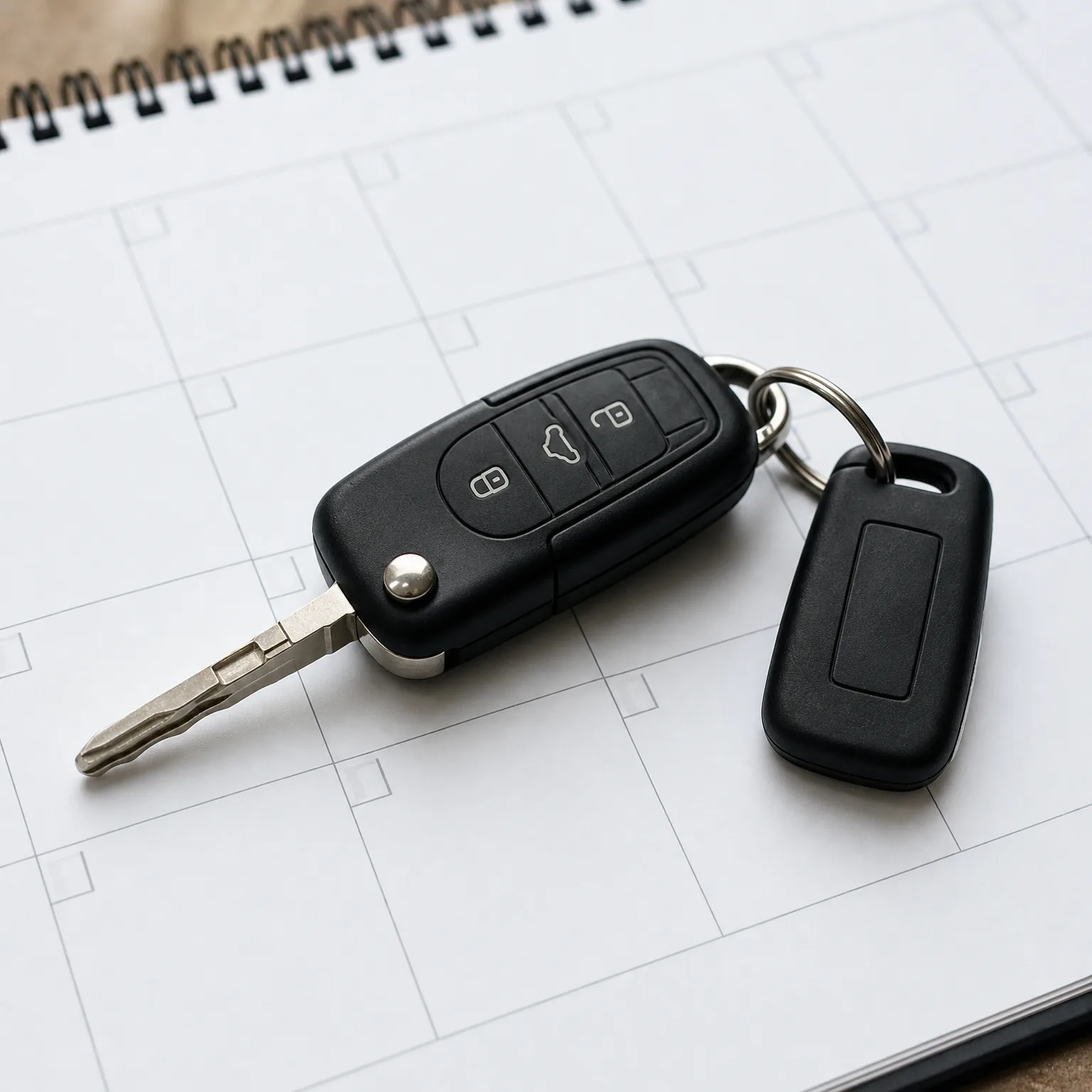
What insurers actually look at when they track driving
- Self-reported annual mileage This is the baseline most policies are priced on. Call or log into your account and update it, since this alone can lower your premium without any device or app.
- Odometer readings at key moments Insurers may check your odometer at renewal, inspection, or when you file a claim. Keep a rough mental note of your mileage so there's no surprise gap between what you reported and reality.
- Apps or plug-in devices These track real mileage plus things like braking, speed, and phone use, usually in exchange for a possible discount. Ask what's measured and whether it can raise your rate before opting in.
- Time of day and trip patterns Some programs weigh when and how often you drive, not just distance. If your trips are now mostly local and off-peak, this often works in your favor.
- Business use versus commuting Working from home changes your commute classification but not necessarily your business-use classification. Tell your insurer specifically if you use the car for work errands, since that's a separate category from mileage.
Your policy is still priced on the commute you used to make, not the one you stopped making.